

Introduction
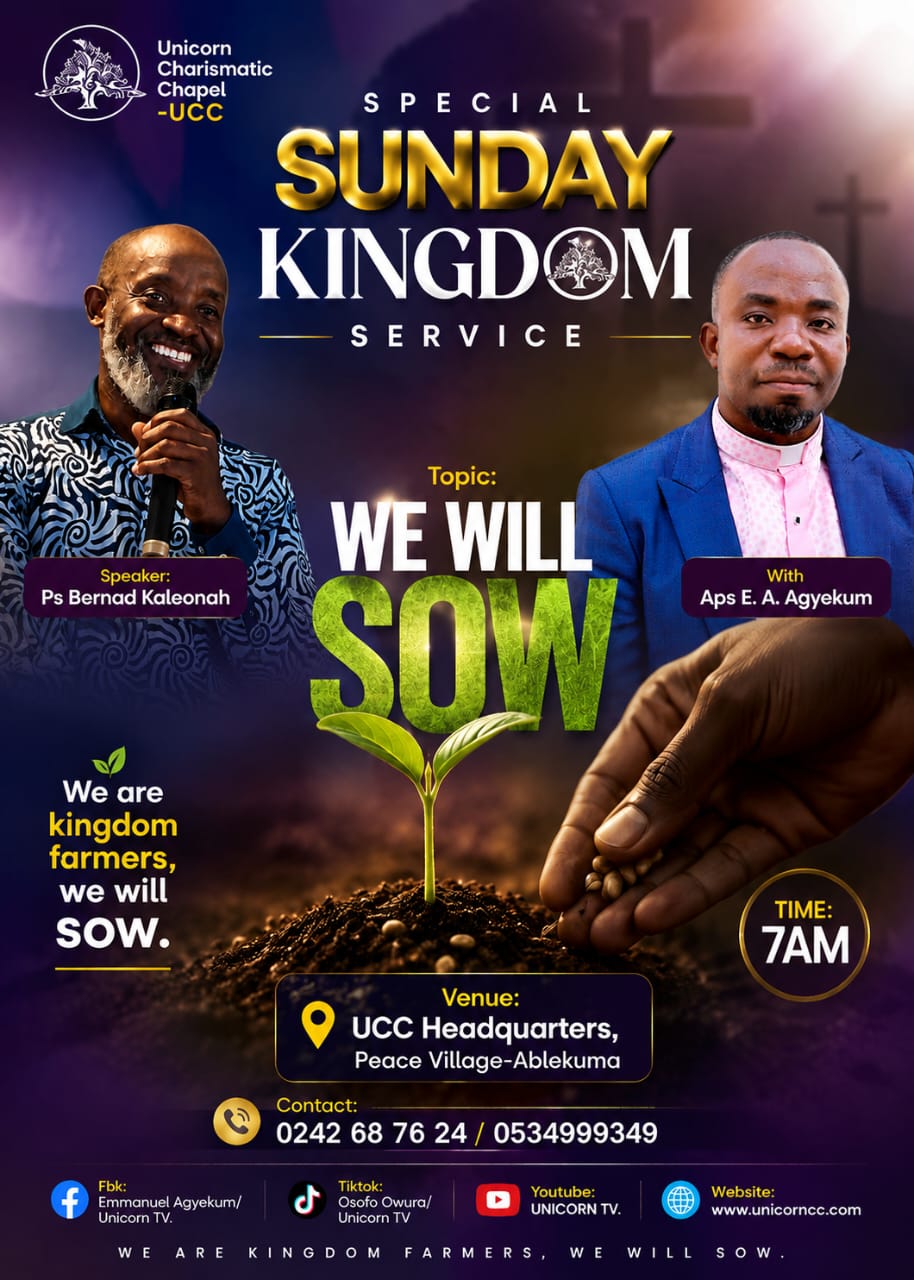
The phrase “I Will Sow” is a powerful declaration of faith, commitment, and personal responsibility. Sowing is a principle that applies not only to agriculture but also to every area of life. Whether you are sowing seeds into the ground, investing in education, building relationships, growing a business, or strengthening your spiritual life, the law of sowing and reaping remains the same: what you sow today determines what you harvest tomorrow.
Many successful people understand that lasting results do not happen by accident. Every achievement begins with a seed. A farmer plants seeds before expecting a harvest. A student studies before expecting excellent grades. An entrepreneur invests time and resources before earning profits. In the same way, every positive outcome in life starts with intentional sowing.
This article explores the meaning of “I Will Sow,” the importance of sowing good seeds, the different areas where sowing matters, and practical ways to cultivate a harvest of success, prosperity, and fulfillment.
What Does “I Will Sow” Mean?
To sow means to plant seeds with the expectation of future growth and harvest. The statement “I Will Sow” reflects a willingness to take action today for benefits that may come later.
Sowing involves:
- Commitment
- Patience
- Faith
- Hard work
- Consistency
When someone says, “I will sow,” they are choosing to invest in their future rather than waiting for success to happen automatically.
Sowing is about understanding that every action produces a consequence. Positive actions produce positive results, while negative actions often lead to unfavorable outcomes.
The Principle of Sowing and Reaping
One of the most universal principles in life is the law of sowing and reaping. This principle teaches that people generally harvest what they plant.
Examples include:
- Kindness brings goodwill.
- Hard work leads to achievement.
- Discipline produces success.
- Generosity creates opportunities.
- Learning increases knowledge.
Just as a mango seed produces a mango tree and not an orange tree, the seeds we sow in our daily lives determine the harvest we receive.
The principle works in every culture, profession, and stage of life.
Sowing in Education
Education is one of the most important areas where sowing produces significant rewards.
Students who invest time in learning, attending classes, completing assignments, and practicing skills are sowing seeds for future success.
Educational Seeds Include:
- Reading books
- Attending lectures
- Completing homework
- Researching topics
- Learning new skills
- Practicing regularly
Educational Harvests Include:
- Excellent grades
- Better career opportunities
- Increased confidence
- Professional advancement
- Financial stability
Every hour spent learning is a seed planted for a brighter future.
Sowing in Business
Business success rarely happens overnight. Successful entrepreneurs understand the importance of sowing before reaping.
Business sowing may include:
- Market research
- Product development
- Customer service
- Advertising
- Networking
- Continuous improvement
Many businesses fail because owners expect immediate results without investing sufficient time and effort.
Successful companies spend years building their brands, developing trust, and creating value before experiencing substantial growth.
The statement “I Will Sow” is therefore essential for every entrepreneur who wants long-term success.
Sowing in Relationships
Healthy relationships require intentional sowing.
Friendships, marriages, family relationships, and professional connections grow stronger when positive seeds are consistently planted.
Relationship Seeds:
- Respect
- Honesty
- Communication
- Forgiveness
- Kindness
- Loyalty
Relationship Harvests:
- Trust
- Love
- Support
- Unity
- Happiness
- Long-lasting connections
Relationships flourish when people invest time and effort into nurturing them.
Sowing Financial Seeds
Financial growth often begins with disciplined sowing.
Many people desire wealth but overlook the importance of consistent investment and responsible money management.
Financial seeds include:
- Saving money
- Budgeting wisely
- Investing regularly
- Developing valuable skills
- Starting income-generating projects
- Avoiding unnecessary debt
The harvest of financial sowing may include:
- Financial security
- Business growth
- Increased income
- Wealth creation
- Economic freedom
Every small financial decision contributes to future outcomes.
Spiritual Sowing
Spiritual sowing is important for individuals seeking a deeper relationship with God and personal growth.
Spiritual seeds may include:
- Prayer
- Worship
- Bible study
- Service to others
- Giving
- Acts of compassion
Many religious traditions emphasize the importance of sowing spiritually as a pathway to blessing and growth.
Spiritual sowing strengthens character, develops faith, and promotes inner peace.
Why Patience Is Essential When Sowing
One reason many people become discouraged is that harvests often take time.
A farmer does not plant seeds today and expect crops tomorrow. Growth occurs gradually.
Similarly:
- Businesses take time to grow.
- Skills require practice.
- Relationships develop over time.
- Investments mature slowly.
Patience allows the seeds we plant to develop fully.
When people remain committed during the waiting period, they are more likely to experience meaningful and lasting success.
The Importance of Consistency
Consistency is one of the most valuable qualities in the sowing process.
Small actions performed regularly often produce greater results than occasional large efforts.
Examples:
- Reading ten pages daily can result in multiple books completed each year.
- Saving a small amount weekly can build substantial savings over time.
- Exercising consistently improves health more effectively than sporadic intense workouts.
Consistent sowing creates momentum and compounds results.
Sowing Positive Attitudes
Attitude influences every aspect of life.
People who sow positive attitudes often experience:
- Better relationships
- Increased opportunities
- Improved productivity
- Greater resilience
Positive attitude seeds include:
- Gratitude
- Optimism
- Humility
- Perseverance
- Respect for others
A positive mindset does not eliminate challenges, but it improves the ability to overcome them.
Overcoming Fear of Sowing
Many people hesitate to sow because they fear failure.
Common fears include:
- Fear of rejection
- Fear of loss
- Fear of criticism
- Fear of uncertainty
However, every successful person has faced these fears at some point.
The greatest risk is often not failure but failing to act.
By choosing to sow despite uncertainty, individuals create opportunities for growth and achievement.
Sowing for Community Development
Communities thrive when members invest in one another.
Community seeds include:
- Volunteering
- Mentoring young people
- Supporting local businesses
- Participating in community projects
- Promoting education
The harvest includes:
- Safer neighborhoods
- Stronger economies
- Better educational outcomes
- Greater social unity
Positive community development begins when individuals decide, “I will sow.”
Lessons from Nature
Nature provides powerful lessons about sowing.
A single seed can produce:
- A tree
- Hundreds of fruits
- Thousands of future seeds
This multiplication principle demonstrates the potential impact of even small actions.
A single act of kindness can inspire many others. One educational opportunity can transform an entire family. One business idea can create employment for hundreds of people.
Never underestimate the power of a small seed.
Practical Ways to Start Sowing Today
If you are ready to embrace the principle of “I Will Sow,” consider these practical steps:
1. Set Clear Goals
Define what kind of harvest you want in life.
2. Identify Your Seeds
Determine the actions needed to achieve your goals.
3. Take Immediate Action
Start planting today rather than waiting for perfect conditions.
4. Stay Consistent
Develop habits that support long-term growth.
5. Be Patient
Allow time for growth and development.
6. Keep Learning
Seek knowledge and improvement continuously.
7. Help Others
Sow kindness, generosity, and encouragement.
Benefits of Adopting the “I Will Sow” Mindset
People who embrace this mindset often experience:
- Greater motivation
- Improved discipline
- Increased productivity
- Better relationships
- Financial growth
- Personal development
- Spiritual maturity
- Long-term success
The mindset encourages responsibility and proactive living rather than passive waiting.
Conclusion
The declaration “I Will Sow” is more than a simple statement—it is a commitment to purposeful action and future success. Every achievement begins with a seed, and every harvest begins with sowing.
Whether in education, business, relationships, finances, spirituality, or community development, the principle remains the same: what you plant today influences what you will reap tomorrow.
Success does not happen by chance. It grows from consistent effort, patience, faith, and determination. By choosing to sow positive seeds every day, you position yourself for a future filled with growth, opportunity, and abundance.
Make the decision today: I will sow good seeds, nurture them faithfully, and prepare for a fruitful harvest. The seeds you plant now have the power to transform your future and positively impact generations to come.